Classroom Resources

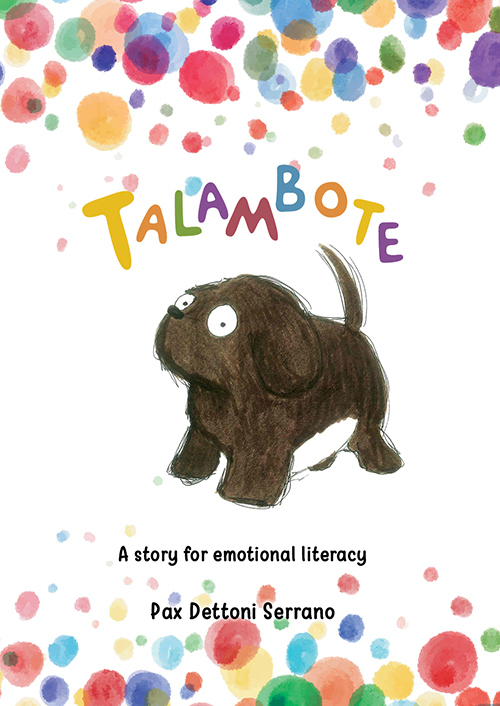
Talambote

A story for emotional literacy

Through the story of Miguelito and his dog Talambote, children will learn about the four basic emotions and how to recognize them, then learn how to manage them. Children will understand that emotions are neither good nor bad, but what is good or bad is what we do with them. They will also learn the importance of expressing gratitude, the value of friendship, and taking care of all living beings.

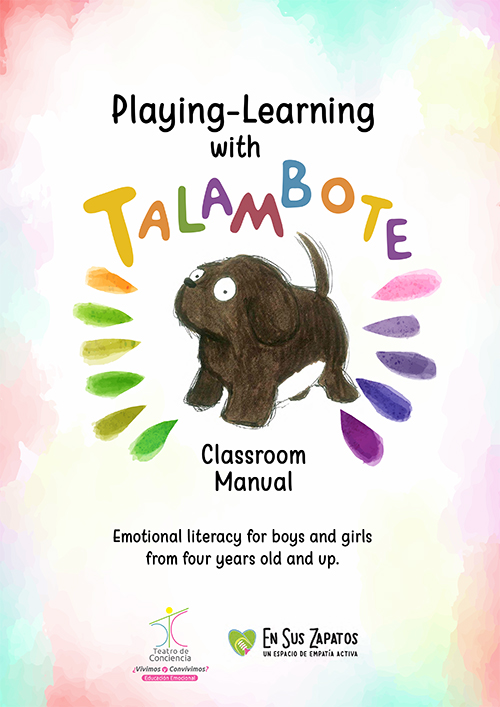
Play and learn with Talambote

Educational resource

Children will play while learning with the story of Talambote during the sessions dedicated to emotional literacy, using this resource. Its purpose is not only for them to learn to identify and express emotions, but also to represent them theatrically. The play-learning process consists of two types of activities that alternate during each session:

  • Fun-reflective activities
  • Theatrical activities

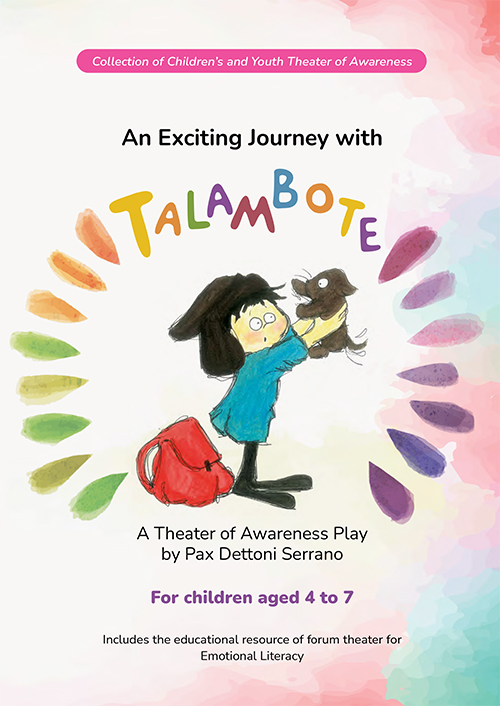
An exciting journey with Talambote

Awareness Theater play for an audience of 4-7 years old with a forum-theater teaching resource

Adaptation of the story Talambote into a play. This play, with 11 characters, can be performed by adults; for example, a group of teachers from a school who decide to perform it for their students, or even a group of parents.
 
It can also be performed by children or adolescents, with the aim of teaching younger students at their school. Furthermore, it is recommended that the performance of this Awareness Theater play be followed by a reflection space. Therefore, a forum-theater resource is included, with a script to moderate the exchange and collective reflection with the young audience, as well as a brief explanation of the basic emotional literacy content proposed in this play.

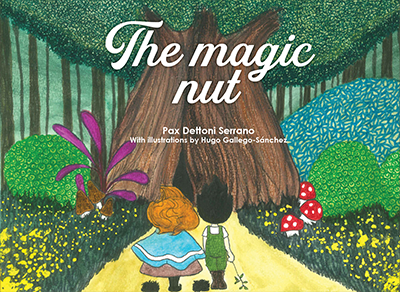
The Magic Nut

A story for emotional literacy

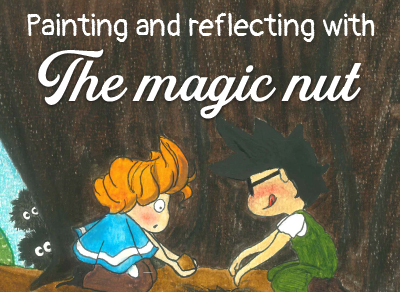
Clara and Pau are two curious and adventurous friends. One day, while playing treasure hunters, they encounter a magical being who gives them a very special and powerful gift: a magic nut that shows them how the goodness of our hearts can sometimes harden because of emotional pain, which triggers anger, sadness, or fear. Will they remember the magical being’s message when they grow up? How will they resolve their conflicts? 

The Magic Nut offers two endings according to the In Their Shoes method, allowing children to see the consequences of their actions if they let emotions control them or, conversely, if they manage them and take control of themselves.
 

Color and Reflect with The Magic Nut

Educational Resource

After reading the story, children, through drawing and coloring, integrate the most important concepts they have heard, and then reflect together guided by the teacher’s questions. The goal of this teaching resource is to deepen active empathy and compassionate perspectives to prevent bullying and promote coexistence.

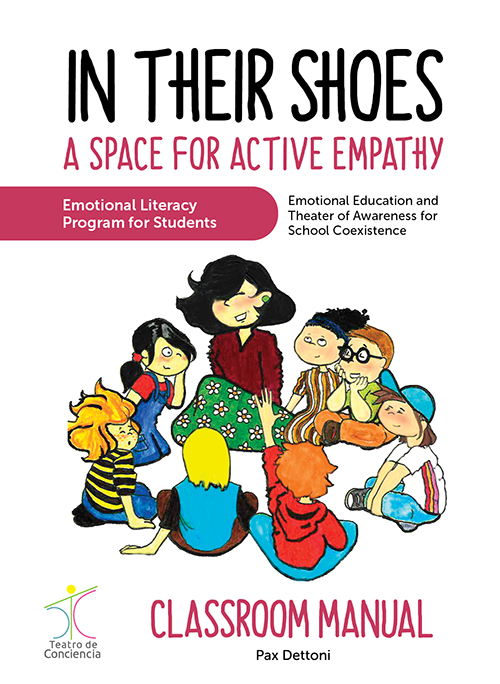
«In Their Shoes» in the Classroom

Students will engage with their tutors in a minimum of six sessions (one per week during a school term), focusing on social-emotional learning using Theater of Awareness.
By the end of the process, they will create and perform a Theater of Awareness play for younger students. These plays are based on their own experiences at school or home and include two possible endings.
The performances depict the entire process of identifying and managing emotions, fostering active empathy, distinguishing between true and false forgiveness, and achieving positive conflict resolution.
Each session is dynamic, combining an initial segment on emotional literacy with a second theatrical component where students act out their learnings. Masks and capes are used to represent emotions and emotional pain.

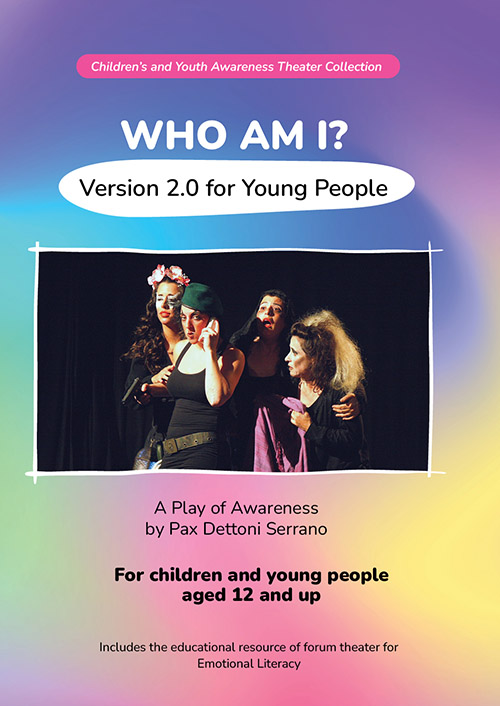
Who Am I? Version 2.0 for Youth

Youth Theater of Awareness with a Forum-Theater Educational Resource

Who Am I? was the first Theater of Awareness play, written by Pax Dettoni Serrano, designed with a clear educational purpose for adult audiences. In this Version 2.0, the author adapts it for a youth audience so that they can perform it themselves.

It includes an educational resource for organizing a forum theater with the audience, encouraging collective reflection on self-awareness and emotional education. Additionally, it provides a section with emotional education content that can be incorporated into learning.

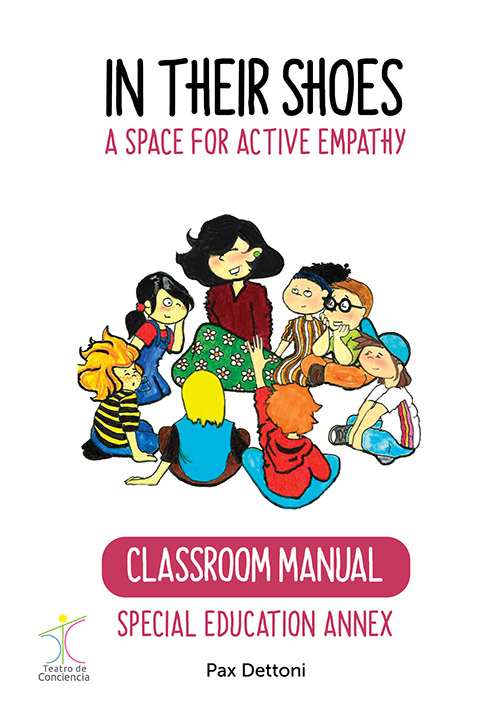
In Their Shoes: Classroom Manual – Special Education Annex

This annex complements the In Their Shoes Classroom Manual by providing adaptations for special education teachers working with their students. It includes socio-emotional learning outcomes, which, for special education students, are expected to be eight instead of ten, as with other students. It also details the different content covered in each session.

A minimum of six sessions is recommended. However, experience suggests that—depending on students’ developmental levels—each session may require two class periods. Therefore, the In Their Shoes program for Special Education is expected to last at least 12 sessions or more.

It is recommended that each session lasts between 1.5 and 2 hours. Teachers and educators should adapt the content according to their students’ abilities and needs.

Posters

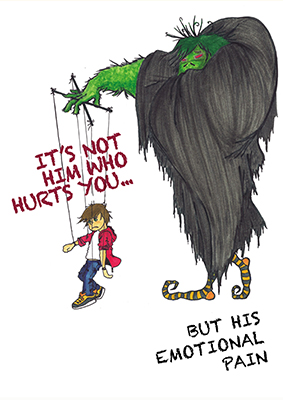
The Monster of Emotional Pain


The monster controls the child like a puppet, leading them to act aggressively.

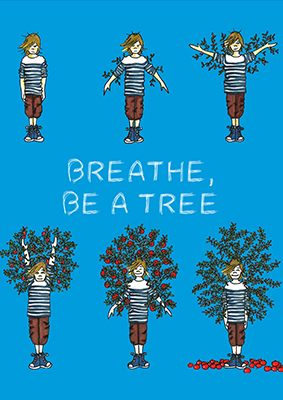
The Tree’s Breathing


A calming technique. The apples represent emotions such as anger. As you inhale and raise your arms, and then exhale and lower them, the emotions «fall» away.

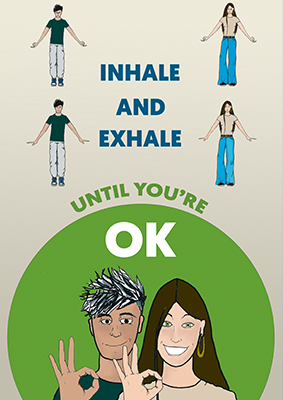
Inhale and Exhale


A simple technique to help youth achieve calm.

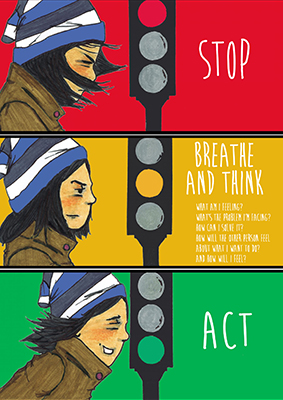
The Traffic Light


Guidelines for managing emotions and resolving conflicts positively.

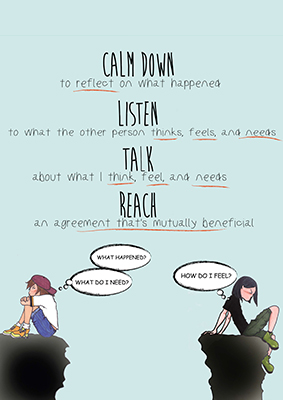
The Agreement


Steps to help resolve conflicts positively: Calm down – Listen – Speak – Agree.

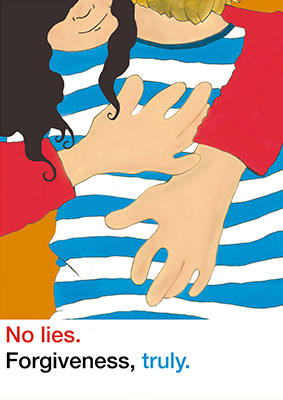
True Forgiveness


A visual aid promoting the importance of sincere forgiveness.

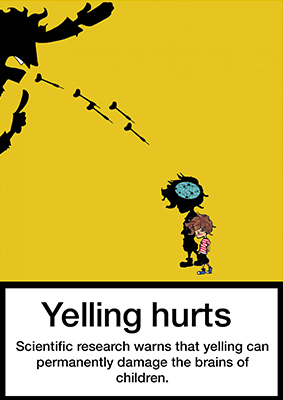
Yelling Harms


Raising awareness about the brain damage caused by shouting and mistreating children.

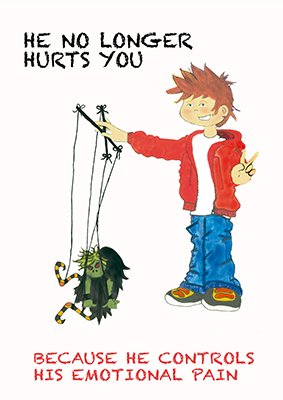
The Child Controls Emotional Pain


When children manage emotions, they gain control over their emotional pain (instead of the pain controlling them).

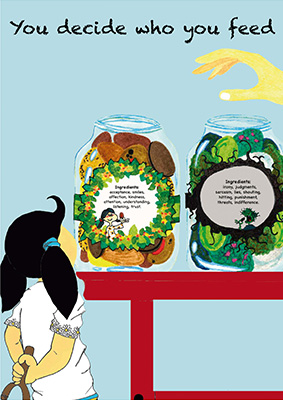
Which One Do You Feed?


A visual guide to help adults recognize which of their behaviors help children.

STOP: Don’t Steal Their Childhood

Preserving fantasy through storytelling and creative play instead of early exposure to technology.
**These posters are property of the Asociación Teatro de Conciencia, which has the copyright. The use of them without the logo of the Association or with any other logo, as well as the translation into any other language, is forviden without the express written permission of the Asociación Teatro de Conciencia.